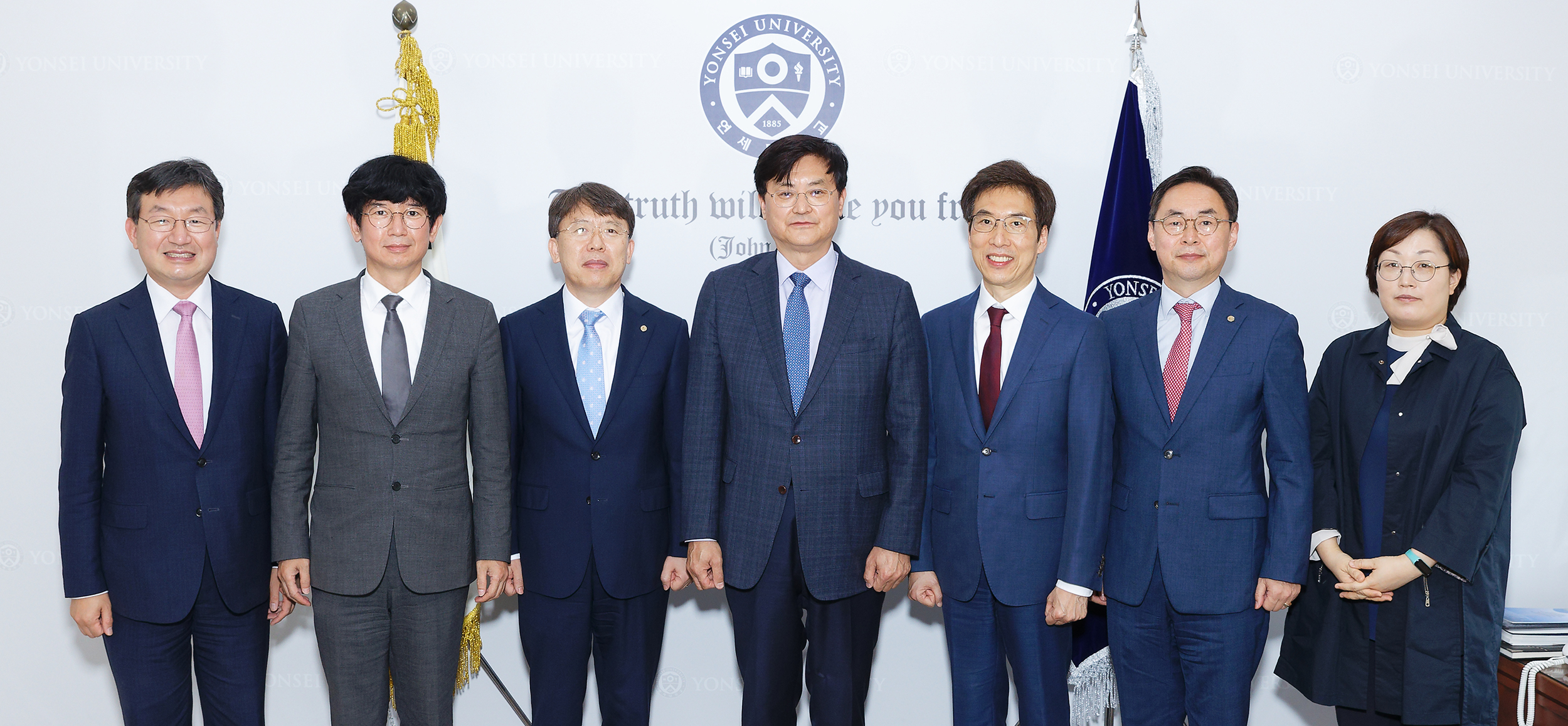
우리 대학교와 기초과학연구원의 기관장 간담회가 5월 20일(금) 본관에서 개최됐다. 이날 간담회는 세계적 수준의 기초과학 창출 및 진흥을 위해 우리 대학교와 기초과학연구원(IBS)의 협력 관계를 고도화하기 위한 자리로서 마련됐으며, 서승환 총장, 천진우 고등과학원장(IBS 나노의학연구단장), IBS 노도영 원장, 하성도 부원장 등 관련 인사들이 참석한 가운데 진행됐다.
고등과학원과 나노의학연구단을 중심으로 연세대 내 세계 Top 10 나노의학 연구소 완성이라는 목표를 달성하고자, 우리 대학교와 IBS는 이번 간담회를 기점으로 기초과학 Vision 2030을 추진함으로써 긴밀한 협력과 지원을 이어갈 계획이다. 이를 통해 인류에 기여하는 융합학문을 창출함으로써 기초과학으로 세상을 변화시키며 인류 보건 난제 해결에 기여할 예정이다.
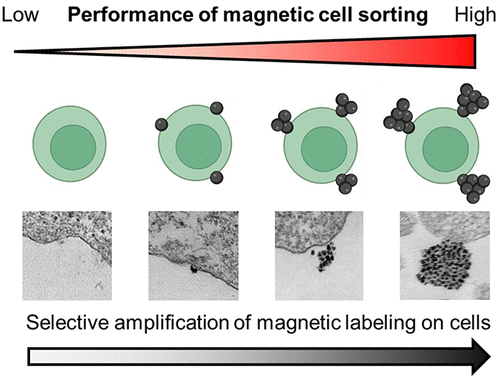
Nanoparticle Amplification Labeling for High-Performance Magnetic Cell Sorting
Here, we developed a new approach that selectively and efficiently amplifies the magnetic labeling on cells through sequentially connected antibodies and nanoparticles delivered to the surface or interior of the cell. Using this approach, we achieved amplification up to 100-fold for surface and intracellular markers. We also demonstrated the utility of this assay for enabling
high-performance magnetic cell sorting when it is applied to the analysis of rare tumor cells for cancer diagnosis and the purification of transfected CAR T cells for immunotherapy. The data presented demonstrate a useful tool for the stratification of rare cell subpopulations.
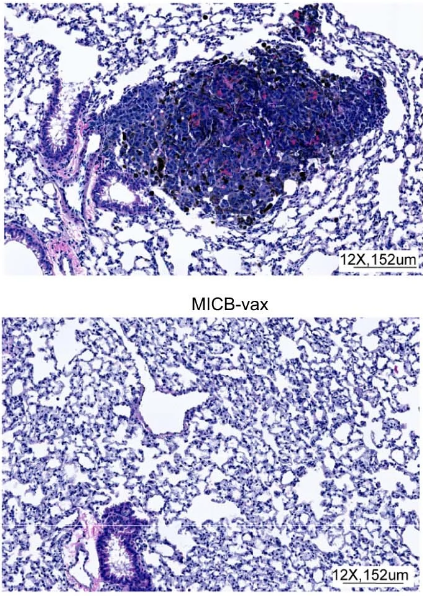
A vaccine targeting resistant tumours by dual T cell plus NK cell attack
Here we report a cancer vaccine that induces a coordinated attack by diverse T cell and natural killer (NK) cell populations. The vaccine targets the MICA and MICB (MICA/B) stress proteins expressed by many human cancers as a result of DNA damage2. MICA/B serve as ligands for the activating NKG2D receptor on T cells and NK cells, but tumours evade immune recognition by proteolytic MICA/B cleavage3,4. Vaccine-induced antibodies increase the density of MICA/B proteins on the surface of tumour cells by inhibiting proteolytic shedding, enhance presentation of tumour antigens by dendritic cells to T cells and augment the cytotoxic function of NK cells. Notably, this vaccine maintains efficacy against MH
C class I-deficient tumours resistant to cytotoxic T cells through the coordinated action of NK cells and CD4+ T cells. The vaccine is also efficacious in a clinically important setting: immunization following surgical removal of primary, highly metastatic tumours inhibits the later outgrowth of metastases. This vaccine design enables protective immunity even against tumours with common escape mutations.